Exploring the Soul of India – A Journey Through Village Life
Introduction
India’s charm is not limited to its bustling cities or historic monuments. The true soul of the country lives in its villages, where traditions have been preserved for centuries and life moves at a gentle pace. With nearly 65% of India’s population residing in rural areas, villages offer travelers an authentic experience of the country’s culture, hospitality, and simplicity.
A journey through Indian village life allows you to see how deeply rooted values of community, sustainability, and tradition shape everyday living. From farming and folk art to food and festivals, villages open a window into India’s timeless essence.
1. The Simplicity of Rural Living
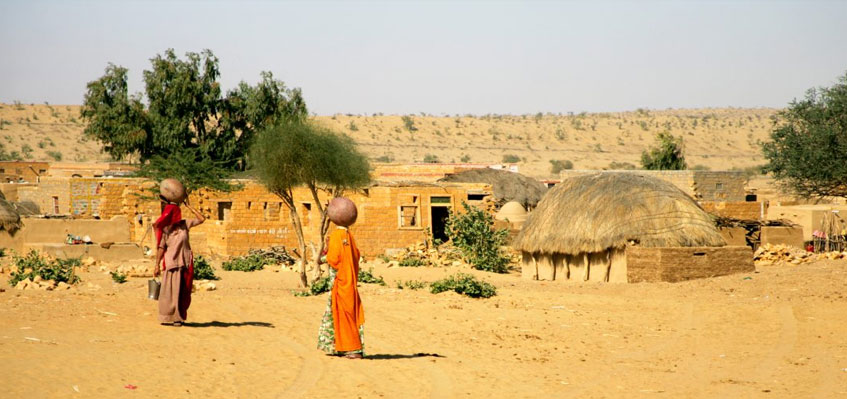
Village life is often described as peaceful and uncomplicated. Unlike cities, where modern lifestyles dominate, villages thrive on traditional practices.
- Homes are built with mud, clay, or local stone, keeping them naturally cool in summer.
- Families live in close-knit communities, sharing resources and responsibilities.
- Daily routines revolve around agriculture, livestock care, and household chores.
- This simplicity doesn’t mean lack of richness—it reflects a lifestyle rooted in harmony with nature.
2. Agriculture – The Backbone of Villages
Agriculture is central to rural life.
- Farmers rise before sunrise to work in the fields.
- Crops vary across regions—rice and coconut in the south, wheat and mustard in the north, millet and pulses in the west.
- Traditional tools and methods are still used, though modern technology is slowly spreading.
- Visiting a village often includes a chance to walk through lush fields, try your hand at ploughing, or learn about irrigation systems.
3. Crafts & Handicrafts
Villages are also the heart of India’s handicraft industry.
- Rajasthan: Pottery, block printing, and leather goods.
- Gujarat: Bandhani textiles and mirror embroidery.
- West Bengal: Terracotta art and handwoven sarees.
- South India: Bronze casting, silk weaving, and wooden carvings.
Travelers can witness artisans at work, learn the skills directly, and even take part in workshops. These crafts not only sustain families but also keep centuries-old traditions alive.
4. Festivals & Fairs
Festivals in villages are vibrant, filled with rituals, colors, and music.
- Harvest Festivals: Pongal in Tamil Nadu, Onam in Kerala, Baisakhi in Punjab.
- Religious Celebrations: Holi, Diwali, and local temple fairs bring communities together.
- Cattle & Village Fairs: Pushkar Fair in Rajasthan or Sonepur Mela in Bihar showcase rural traditions.
These occasions are perfect opportunities to see dance forms like Ghoomar or Kalbeliya, listen to folk music, and taste traditional food.
5. Village Cuisine
Food in villages is fresh, organic, and simple yet delicious.
- Meals are prepared from seasonal vegetables grown locally.
- Cooking is often done on clay stoves using firewood or cow dung cakes.
- Popular rural dishes include Bajra roti with chutney, Sarson da saag with makki di roti, and coconut-based curries in southern villages.
- Hospitality is unmatched—guests are always welcomed with warmth, often served food on banana leaves or handmade plates.
6. Hospitality & Community Spirit
- The biggest charm of village life is the people. Rural hospitality is legendary—guests are treated like family.
- Neighbors share food, tools, and celebrations.
- Evening gatherings around courtyards or under banyan trees are common.
- Folk tales, devotional songs, and stories of bravery are passed down orally from generation to generation.
7. Experiences Travelers Can Try
A village visit offers hands-on experiences:
- Milking cows and feeding livestock.
- Participating in farming activities like sowing or harvesting.
- Learning traditional dance and music.
- Staying in mud houses or eco-huts to live like a local.
- Riding bullock carts or tractors through fields.
These immersive experiences bring travelers closer to rural India’s rhythm.
8. Why Village Tourism Matters
- Village tourism is not just about sightseeing—it’s about sustainability.
- It supports local artisans and farmers.
- Helps preserve culture and traditions.
- Encourages eco-friendly practices.
- Gives travelers authentic experiences far away from commercialized city tours.
For travelers, it’s a chance to step away from noise and technology and reconnect with simplicity. For villagers, it’s an opportunity to showcase their heritage and improve livelihoods.
9. Challenges of Village Life
- While village life is beautiful, it also has challenges.
- Lack of modern infrastructure in many areas.
- Limited healthcare and education facilities.
- Dependence on agriculture makes life vulnerable to droughts and floods.
- However, with increasing rural development and tourism, many villages are finding ways to balance tradition with progress.
Indian villages are not just destinations—they are experiences that touch your heart. The sights of farmers in lush fields, the sound of folk songs in the evening, the taste of freshly cooked food, and the warmth of rural hospitality leave a lasting impression on every traveler.
Exploring village life is like looking into the mirror of India’s soul—pure, authentic, and deeply connected to the land.